Which Medications Affect Permanent Eyeliner?
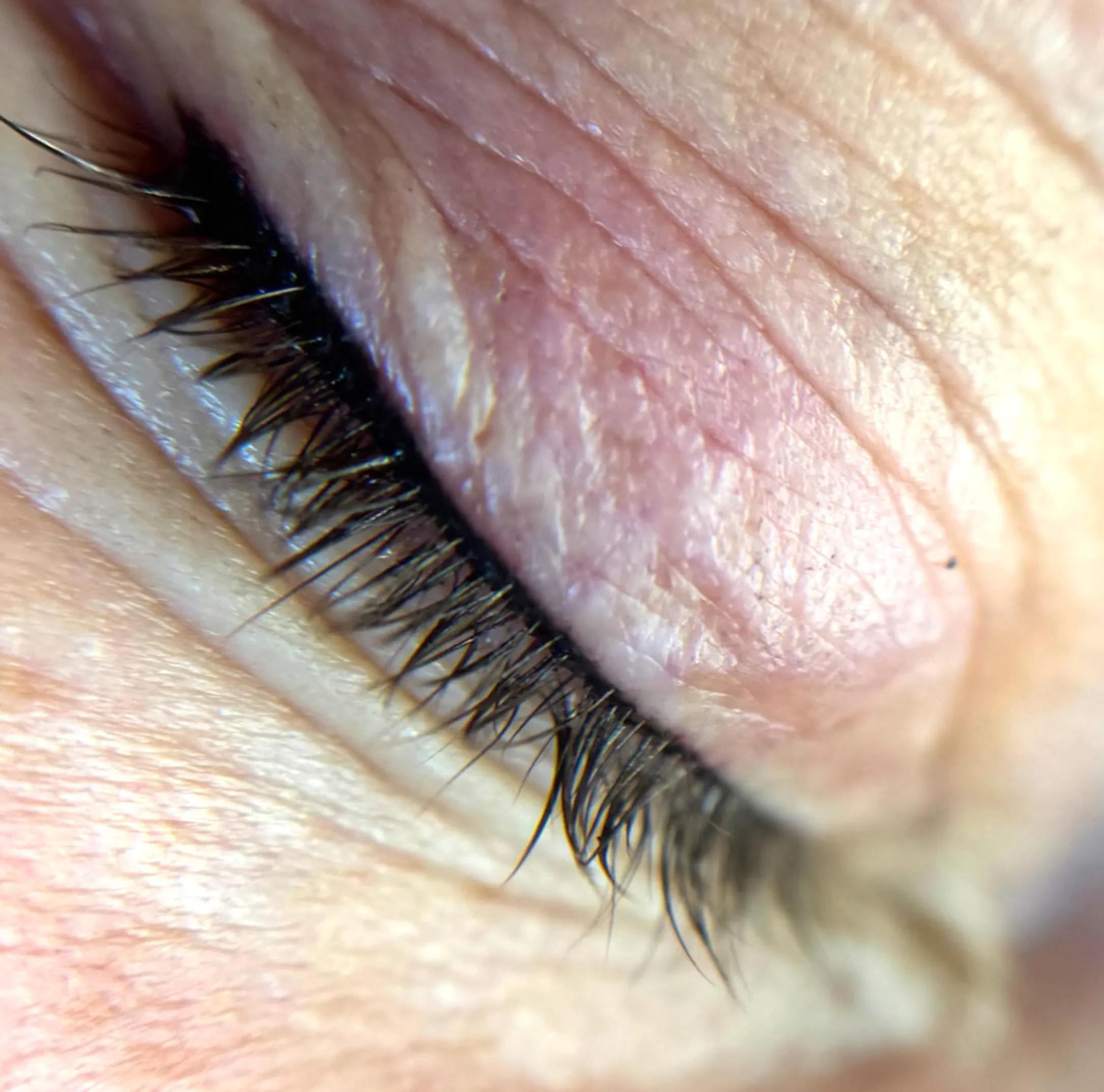
When clients ask me, “Which medications affect permanent eyeliner?”, they’re not being paranoid — they’re being smart. At Cosmetic Tattoo Studio Melbourne Face Figurati, I’ve seen firsthand how a simple pill in your daily routine can change the way tattoo pigment holds, the healing process unfolds or even how safely I can perform the procedure. In this guide, I, Olha Po, break down everything you need to know before booking your eyeliner tattoo appointment. We’ll cover cosmetic tattoo Melbourne safety, pigment retention, healing time, and the impact of both prescription medications and topically applied products. Consider this your personal consultation in written form — one that helps you feel confident, safe and informed.
Medications and Pigment Retention
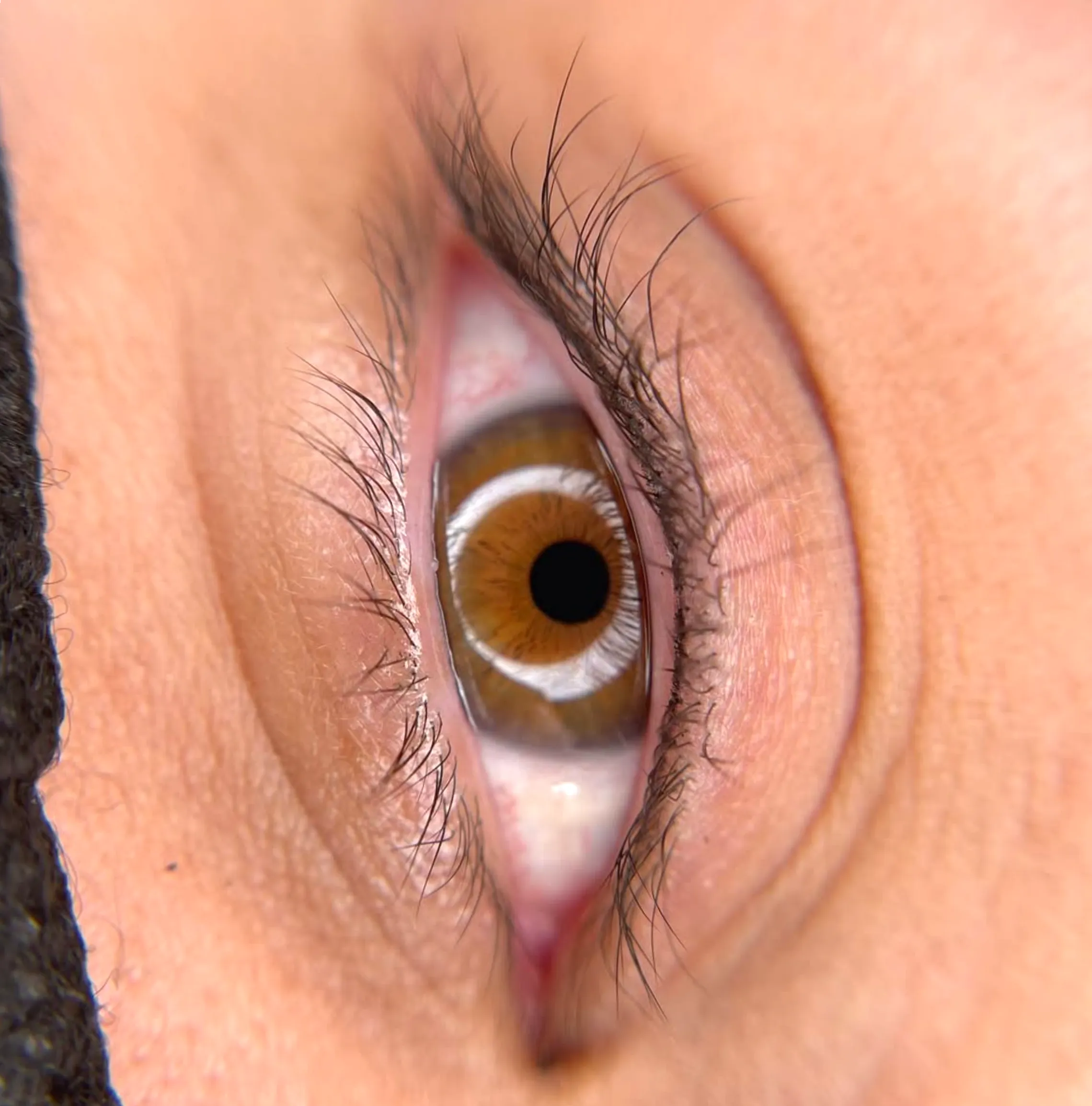
Even the best cosmetic tattoo and the steadiest hand can’t outsmart the effects of certain medications on your body. Medications that thin the blood, affect immunity or change how your skin heals can cause patchy pigment, heavier scabbing, pigment migration or fading that happens much faster than normal. In fact, according to 2025 cosmetic tattooing industry reports, up to 22% of correction appointments are linked to medication-related pigment loss. This isn’t about scare tactics — it’s about setting clear expectations so you know what’s normal for your skin conditions and your situation.
Blood Thinners and Why They Matter Most
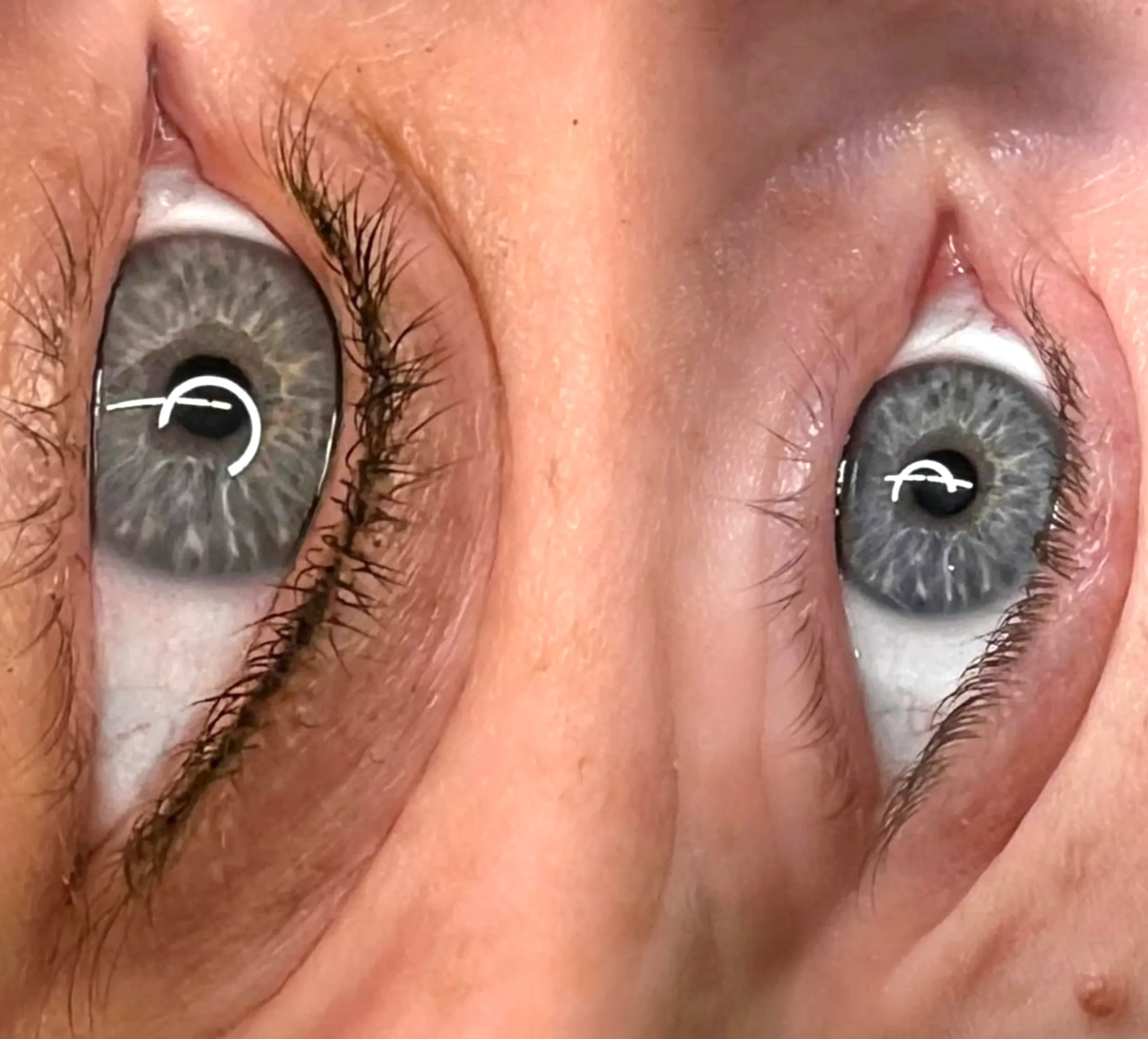
If there’s one category I mention at every consult, it’s blood thinners. Whether prescribed for heart conditions, blood disorders or taken occasionally (like aspirin) these blood thinning medications increase bleeding during the procedure. More bleeding means pigment gets pushed out, resulting in uneven colour and longer healing time. For example, I’ve worked on a client who was on daily warfarin — even with all precautions, her pigment retention was about 40% less than that of clients not on the medication. The result? More touch-up sessions and a longer road to the final look.
Common Blood Thinners That Interfere
- Warfarin
- Heparin
- Aspirin
- Ibuprofen and similar anti-inflammatories
- Clopidogrel (Plavix)
Tip from the Studio: If you’re on prescribed blood thinners or blood pressure medications never stop them without your doctor’s advice. But do let me know — I can adjust my technique, your appointment plan and healing expectations accordingly.
Acne Medication and Skin Sensitivity
Another big one? Acne medication. Isotretinoin (Roaccutane) is notorious for thinning the skin and slowing its healing capacity. If you’ve been on it in the last 12 months, permanent cosmetic makeup in the form of eyeliner tattooing is a big “not yet.” Your skin is more fragile, prone to trauma and less likely to hold tattoo ink evenly. Even milder acne medications or chemical exfoliants like topical retinoids can cause irritation if the cosmetic tattoo machine needle breaks through already sensitive skin. At Face Figurati, I always ask about current or recent skin care services to avoid unnecessary damage.
Acne-Related Medications to Flag
- Isotretinoin (Roaccutane)
- Topical retinoids (tretinoin, adapalene)
- High-dose salicylic acid creams
Antibiotics and Healing Response
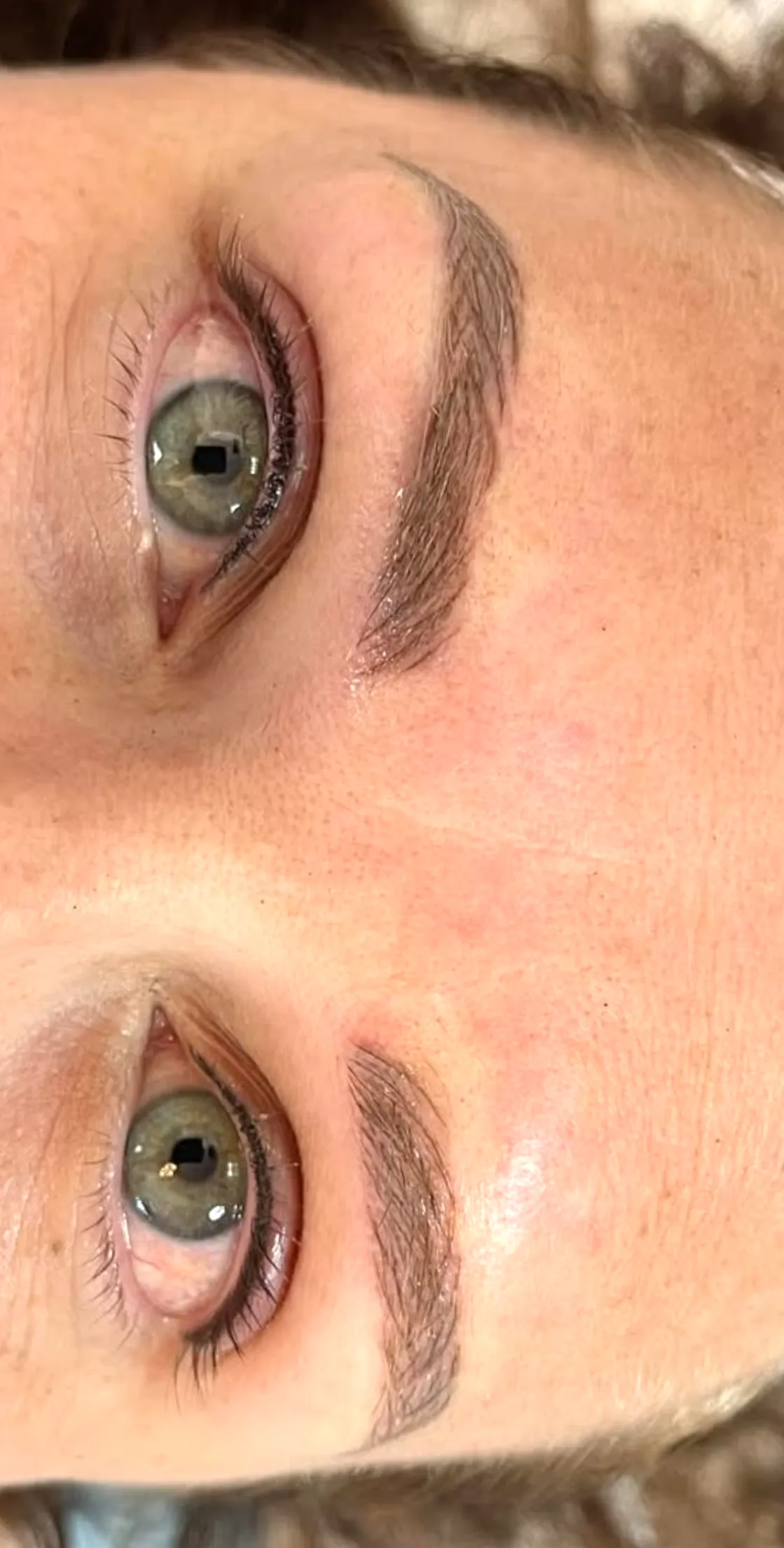
You may not think antibiotics matter, but they do. Some antibiotics can make your skin more photosensitive, and others can alter how your body responds to the cosmetic process. If your body is fighting bacterial or viral infections, it’s not going to prioritise pigment healing. I had a client come in after finishing a course of antibiotics – her eyeliner tattoo pigment retention was patchy, and we had to reschedule her cosmetic tattoo correction. Moral of the story? Wait until you’re fully recovered and your course is complete.
Hormonal Medications and Pigment Stability
Hormones play a huge role in how the body heals and retains tattoo pigment. Clients on the pill, HRT or thyroid medication may find their eyeliner tattoo fades faster or heals unpredictably. In fact, a 2025 survey of cosmetic tattooing professionals in Australia found hormonal changes were the second most common reason for pigment lightening after 6 months. It doesn’t mean you can’t have the treatment – it just means touch-up sessions may be needed a little sooner than average.
Hormonal Medications to Be Aware Of
- The pill
- HRT
- Thyroid medication (levothyroxine, etc.)
Immune-Suppressing Drugs and Safety Concerns
Medications for autoimmune diseases (lupus, rheumatoid arthritis, Crohn’s, etc) suppress the immune system. That means higher infection risk, slower healing and inconsistent results. From my experience, clients on medications like methotrexate or corticosteroids need a doctor’s clearance before we even think about eyeliner tattooing. Your safety always comes first – no cosmetic tattoo result is worth risking your health.
Antidepressants and Mood-Stabilising Medications
Here’s something many clients don’t realise: some antidepressants and mood medications can affect how your body processes tattoo pigment. They may not prevent healing, but I’ve noticed pigment fading more quickly in clients on long-term SSRIs. Stress, chronic acne flare-ups and skin conditions all affect healing, too, so I always ask about the bigger picture during consults. Permanent cosmetic makeup is not just skin-deep — it’s a whole-body process.
Over-the-Counter Medications and Herbal Supplements
It’s not just prescription medications we need to talk about. Even common supplements like fish oil, vitamin E or ginkgo biloba can thin the blood. Green tea extract and high doses of garlic supplements can have similar effects. I often see clients surprised when I ask about “just vitamins” — but in the tattoo chair, they can make a real difference to pigment retention and healing time.
Supplements That May Affect Healing
- Fish oil
- Vitamin E
- Garlic supplements
- Ginkgo biloba
- St John’s Wort
Viral Conditions, Antivirals and Cosmetic Tattooing
If you suffer from cold sores or other viral infections, eyeliner tattooing needs extra caution. Antiviral medication may be prescribed before cosmetic tattoo treatments around the lips or brows to prevent outbreaks. While eyeliner tattoos aren’t directly linked to cold sores, your immune system plays a role in how any permanent cosmetic makeup heals. Always disclose if you’re prone to viral infections so we can manage healing time safely.
Quick Reference Table — Medications and Products That Can Interfere
| Category | Examples | Possible Effect |
| Blood Thinners | Warfarin, Heparin, Aspirin, Ibuprofen, Clopidogrel | Excess bleeding, poor pigment retention |
| Acne Medication | Isotretinoin, Retinoids, Salicylic Acid | Fragile skin, delayed healing, pigment migration |
| Antibiotics | Tetracyclines, Ciprofloxacin | Increased photosensitivity, patchy healing |
| Hormonal Medications | Contraceptives, HRT, Thyroid medication | Faster fading, unpredictable retention |
| Immune-Suppressing Drugs | Methotrexate, Corticosteroids | Higher infection risk, poor healing |
| Antidepressants/SSRIs | Fluoxetine, Sertraline | Faster fading in some cases |
| Supplements | Fish oil, Vitamin E, Garlic, Ginkgo, St John’s Wort | Blood thinning, unpredictable healing |
| Topically Applied Products | Growth serum, chemical exfoliants, scalp detox | Increased sensitivity, slower healing |
Melbourne Lifestyle Factors — Why Locals Need to Know
In Melbourne, where the seasons swing from dry winds to humid days, skin healing is already put to the test. Add prescription medications, dry skin and environmental stressors into the mix, and results can be all over the place. I’ve seen eyeliner tattoos heal beautifully in winter but struggle with pigment hold in summer — especially for clients who are having skincare services, chemical exfoliants or supplements. That’s why I tailor aftercare advice specifically for our Melbourne climate.
Preparing for Your Appointment If You’re on Medication
The good news is that being on medication doesn’t automatically disqualify you from cosmetic tattooing. It just means preparation is key. At Cosmetic Tattoo Studio Melbourne Face Figurati, I always recommend:
- Consult your doctor before stopping or adjusting any prescription medications.
- Be honest during your consult — every detail helps me plan.
- Time your appointment wisely — don’t book during illness, stress or immediately after a bacterial infection.
- Follow pre-care strictly — no alcohol, caffeine or extra blood-thinning medications or supplements in the 24 hours before your appointment.
What Healing Looks Like When Medications Are Involved
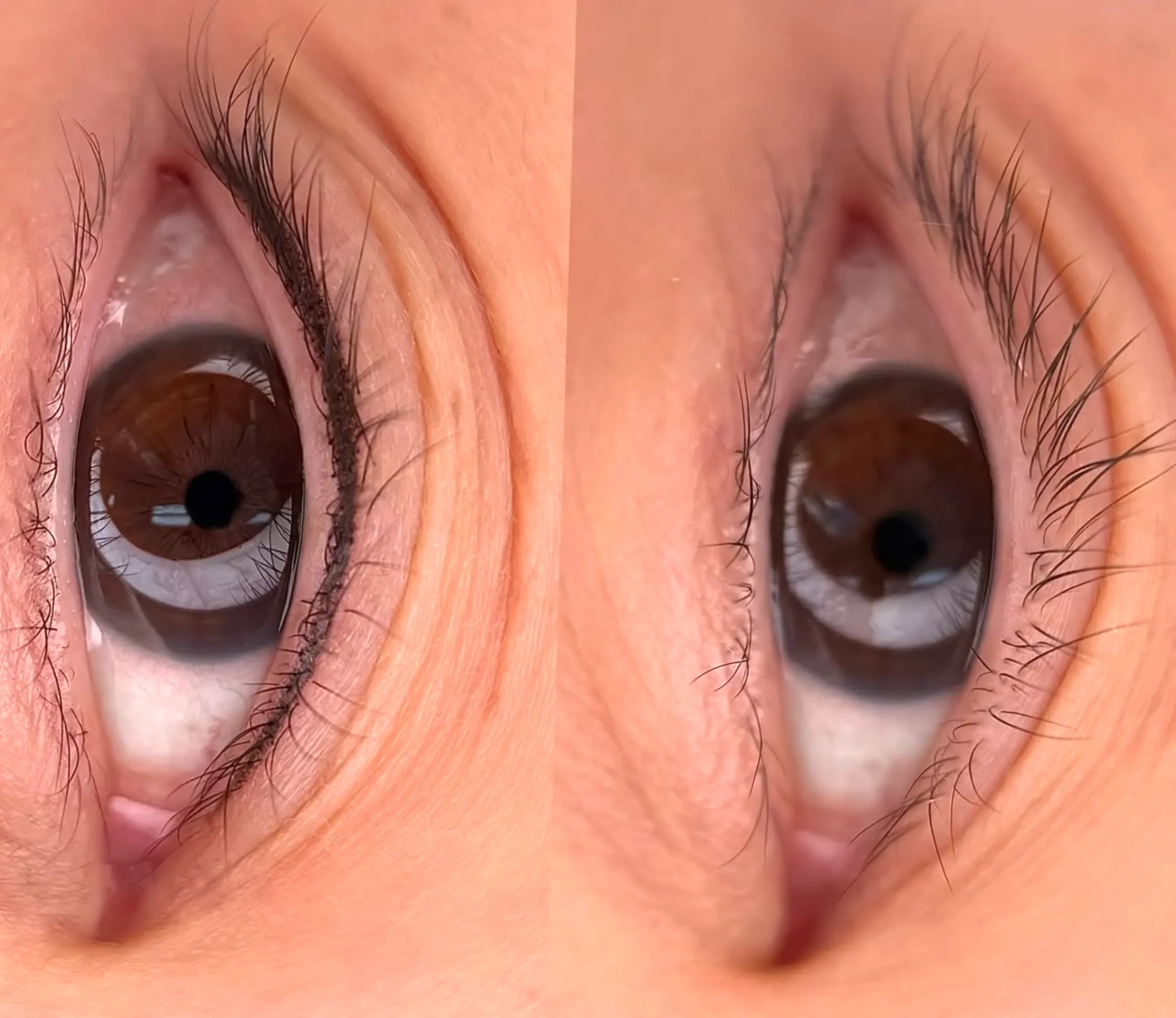
Healing on medication can look slightly different. You may see:
- Heavier scabbing than usual
- Slower scabbing
- Pigment dropping out unevenly
- Longer wait before a safe touch-up session
This isn’t a disaster — it just means we need to be patient and sometimes have an extra session to achieve the desired result. At Face Figurati, we always book a perfecting appointment 6–8 weeks after, but for medication-influenced clients, we may push that back a little to allow dry healing.
Case Study — Real Client Experience
One of my Melbourne clients, a woman in her late 40s on thyroid medication, came in wanting a soft eyeliner tattoo enhancement. We adjusted her expectations from the start: faster fading but still a great result with regular touch-ups. Six months later, she returned happy but ready for a refresh. That’s the power of informed planning — no surprises, just results that fit her lifestyle and health.
Final Thoughts — Putting You and Your Results First
Permanent makeup is one of my favourite services to do, but it’s also one that requires a whole body approach. Which medications affect permanent eyeliner? Quite a few — but that doesn’t mean you can’t have the treatment. It just means we plan together, taking into account your health, your lifestyle and your goals. If you’re in Melbourne and considering eyeliner tattooing, book a consultation at Cosmetic Tattoo Studio Melbourne Face Figurati. And if you’ve been inspired to learn more about the craft, our eyeliner tattoo courses are a great way to see the science and art behind the treatment.
We even have an eyeliner tattoo course for those ready to take the first step into the cosmetic tattoo industry.
Written by Olha Po — Cosmetic Tattoo Artist, Melbourne
FAQ
Can I stop my blood thinners before eyeliner tattooing?
Never without your doctor’s approval. Always consult your GP or specialist before making any changes to your prescription medications.
How long after finishing antibiotics can I get permanent makeup?
It’s best to wait at least two weeks after your course is complete and you’re feeling fully recovered before booking in.
Does birth control really affect cosmetic tattoo results?
Yes, hormonal changes can affect pigment stability. Many clients notice faster fading if they’re on long-term contraceptives or thyroid medication.
Will supplements like fish oil really make a difference to my eyeliner tattoo?
They can. Fish oil and vitamin E thin the blood, which means more bleeding during your procedure and less pigment retention.
What if I don’t tell my artist about my medications or skin conditions?
Not telling can lead to uneven results, safety risks, cosmetic tattoo correction or even infection. Always be upfront — your artist isn’t judging, they’re planning.