Average Lifespan Of Steel Gutters Australia
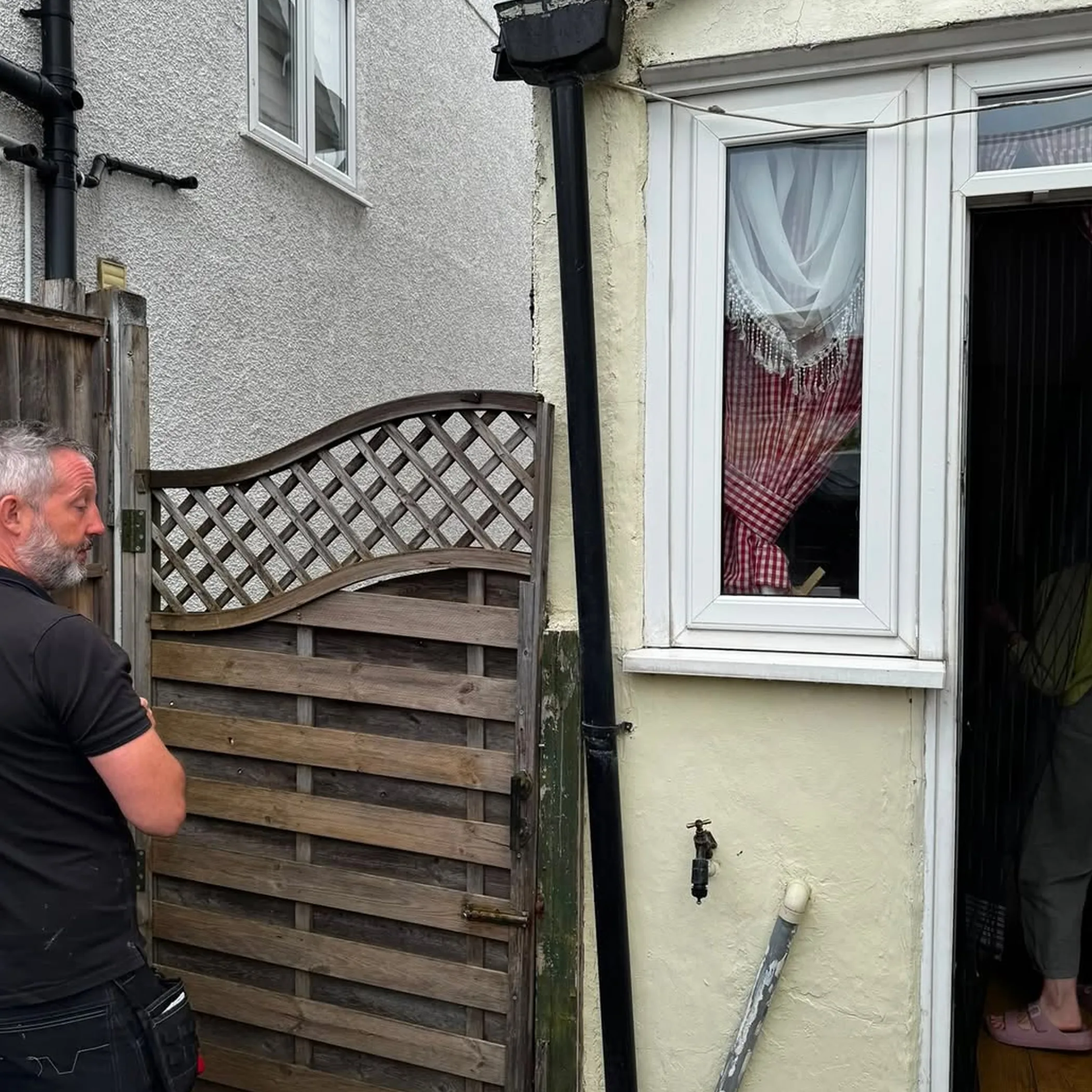
Across Australia one can put the average lifespan of a steel gutter at 15 to 30 years. Some systems are not so well protected and will give out in a fraction of that time, but with good upkeep they may endure for longer. Galvanised steel gutters tend to see 15 to 25 years of service; Colorbond steel is in the 20 to 30 year bracket provided the roof drainage is looked after and the coating is undisturbed.
In the end it comes down to the quality of the installation, how the gutter is maintained and the climate. You will find a gutter ages in a different way in dry Adelaide than in the tropics of northern Australia, a salt-laden Perth coastal suburb or the humidity of Sydney. Thomas Rourke examines the practicalities, from cost to condition, to put some perspective on whether a homeowner should be repairing or replacing their steel gutters.
How Long Steel Gutters Usually Last
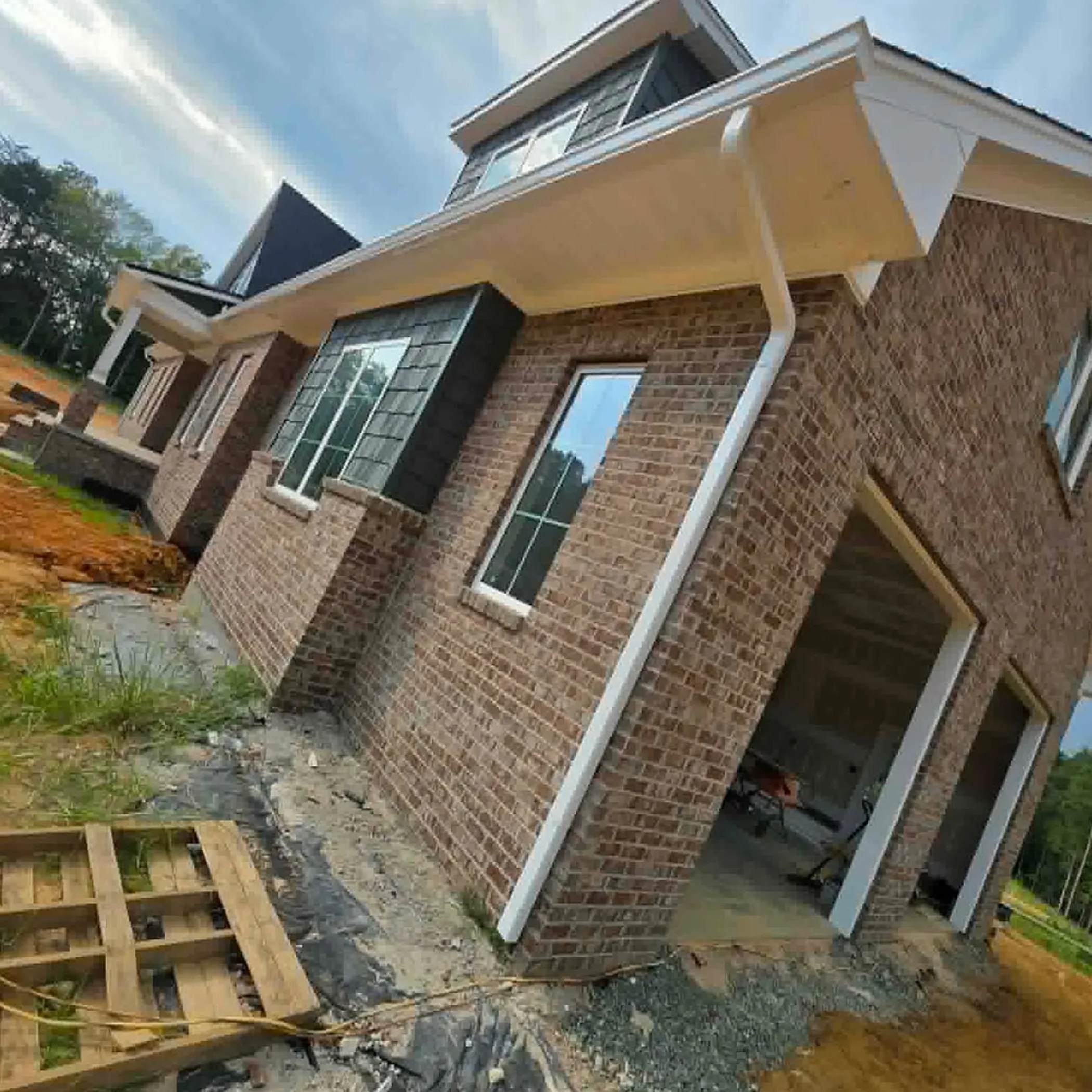
There is no set expiry date for steel gutters. The type of steel and its coating, how well it was put in and how promptly any issues are dealt with will determine the service life. These factors shape gutter service life expectations.
For planning purposes, figure on 15 to 25 years for galvanised and 20 to 30 for Colorbond. But these are working ranges, not guarantees you can write in permanent marker. Water flow, tree cover, the pitch of the roof and exposure to salt will have an effect.
| Gutter Type | Typical Planning Range | Main Risks |
|---|---|---|
| Galvanised steel | 15–25 years | Rust, standing water, exposed edges and scratches |
| Colorbond steel | 20–30 years | Coastal salt, corrosion at cut edges, damage to the coating |
| Heavily exposed steel | 10–20 years | Neglected rust, poor drainage, humidity and coastal exposure |
| Well-maintained steel | 25–30 years plus | Fastener failure and the normal wear of age on the coating |
Homeowners in Australia will often find the life of their galvanised guttering is curtailed if wet leaf matter is left to sit in it for long stretches. The rust and corrosion have all the time in the world to make themselves at home where water is trapped against the steel. They are very patient villains.
What The Warranty Cannot Tell You
Do not think a warranty is a blanket for everything. It might cover a defect in manufacture, but storm damage, blocked gutters, a corrosive environment or an installer’s error are not necessarily included. Make sure to read the conditions and put to your installer what maintenance is required by the manufacturer.
A better question than “how long are steel gutters supposed to last?” is to enquire as to the present state of the joins, fasteners, downpipes and fascia. A system of 20 years standing with sound joints is a candidate for a few minor repairs; one with rust all over it at 10 years old is not.
What Shortens Steel Gutter Life
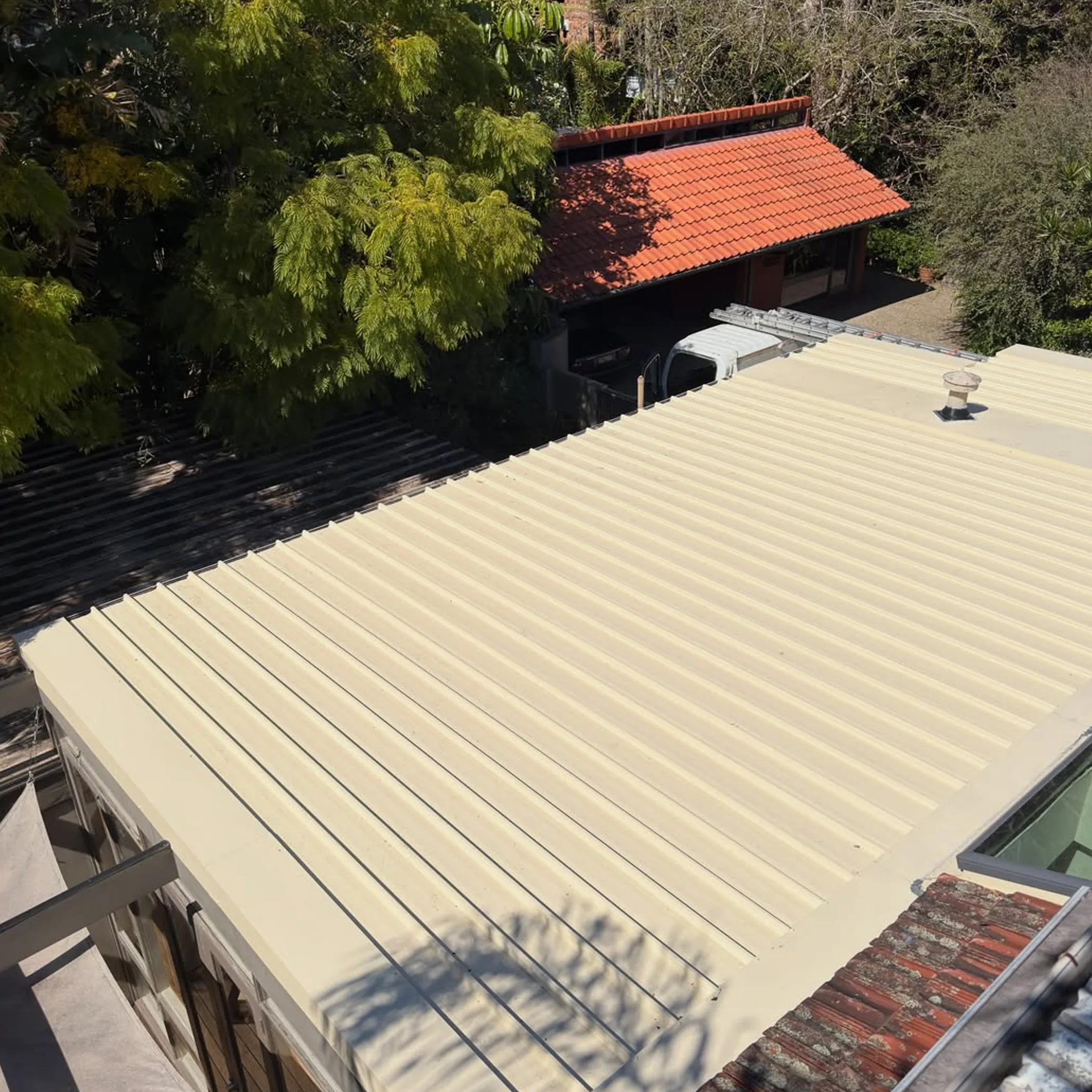
It is generally a case of small problems compounding. A loose fastener allows sagging, a compromised coating leaves the metal open and a clogged outlet has water standing in the gutter. On their own they are not dramatic, but in combination they can do water damage to the walls and fascia.
Frequent cycles of wetting and drying put stress on the joints and coatings. Humidity means condensation and surfaces that are slow to dry. In drier climes a sudden heavy storm and the dust and leaves can be enough to tax the roof drainage.
Coastal Air And Salt
Salt in the air is perhaps the most obvious enemy of steel. It will find its way onto the protective coating and hasten corrosion at the screws, joins and any scratches. This is a reality for parts of Sydney and Perth and other coastal localities, not only the houses with a view of the beach. A windy suburb a few kilometres inland is still subject to it. Should you see rust around a lap or fastener, do not dismiss it as cosmetic.
Water Flow And Roof Design
Correctly sized downpipes and unimpeded water flow will add to the life of a gutter. But intense rain can put more water through long runs and low-pitched valleys than a small profile can cope with, with the overflow making its way into eaves and ceilings.
Then there are the leaves from overhanging trees which block outlets and hold moisture. Moss and dirt can mask rust until it is plain to see. One can be fooled into thinking the gutter is fine when in fact the rear edge and fascia are already in decline.
Galvanised Steel Versus Colorbond Steel
The zinc on galvanised steel is there to ward off corrosion. With Colorbond you get pre-finished steel and a paint system for protection, as well as a finished surface and colour options to complement the exterior of the house and the roof. Under typical residential conditions one can put the life of a Colorbond steel gutter at 20 to 30 years. Galvanised steel is no less durable in theory, but an old coating or a cut edge left exposed will make it susceptible to wear before its time. The label is not as telling as how well it has been put in.
Coating Damage: What to Do
The cause of rust should be determined before any attempt is made to scrape and paint over it. It could be a matter of water pooling in the gutter, contact with an incompatible metal or a fastener giving way. An adequate repair calls for the corrosion to be treated and cleaned up, any unsuitable fasteners swapped out and a compatible protective coating put on where called for.
A contractor installing new gutters must see to it that the finish is not compromised and that he uses the right fasteners and protects the edges. Otherwise the work may look fine but have a short existence if the downpipes are inadequate for the runoff or the back of the gutter is pressed hard against a wet fascia.
Location and the Australian Climate
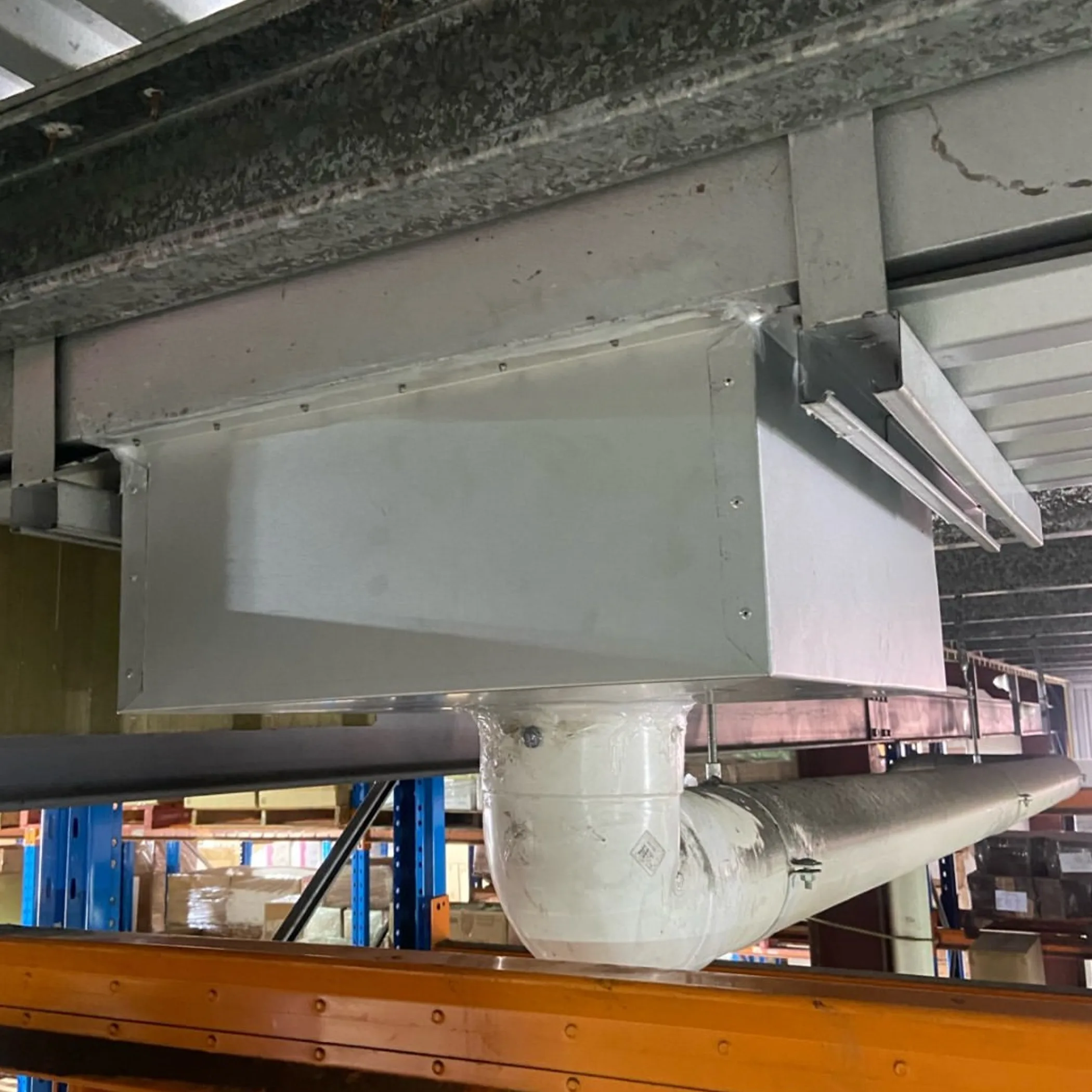
You cannot apply a single rule for gutters across Australia. A given steel product will be put through its paces by the rainfall in Sydney, the drier air of Adelaide, coastal conditions in Perth or what the north endures in the wet season. The Bureau of Meteorology’s records on temperature and rainfall are a good reference for local exposure; the data they publish will show a homeowner why some places warrant more frequent inspection than others.
Sydney and Beyond
In Sydney there is the dampness, the leaf litter and the volume of rain to contend with. In Adelaide the lower rainfall is no excuse to forgo inspections, especially when dry leaves build up and are hit by stormwater. Salt from the coast and the sun are factors in Perth, not to mention seasonal downpours.
Up in northern Queensland and the Top End, the roof drainage is under unusual strain from November to April with the humidity, cyclone warnings and the wet season. Out in the Pilbara the dust and storms of the dry regions call for a different kind of maintenance. The Red Centre might be arid until a storm comes along and puts every weak joint to the test.
Where bushfire is a risk, planning is important. Leaf litter in the gutter is a combustible load; residents would do well to heed their state fire authority and have things tidied up ahead of the high-risk period. And while roof access is not to be taken lightly in hot or windy weather, a qualified contractor is the prudent choice.
Indications for Repair
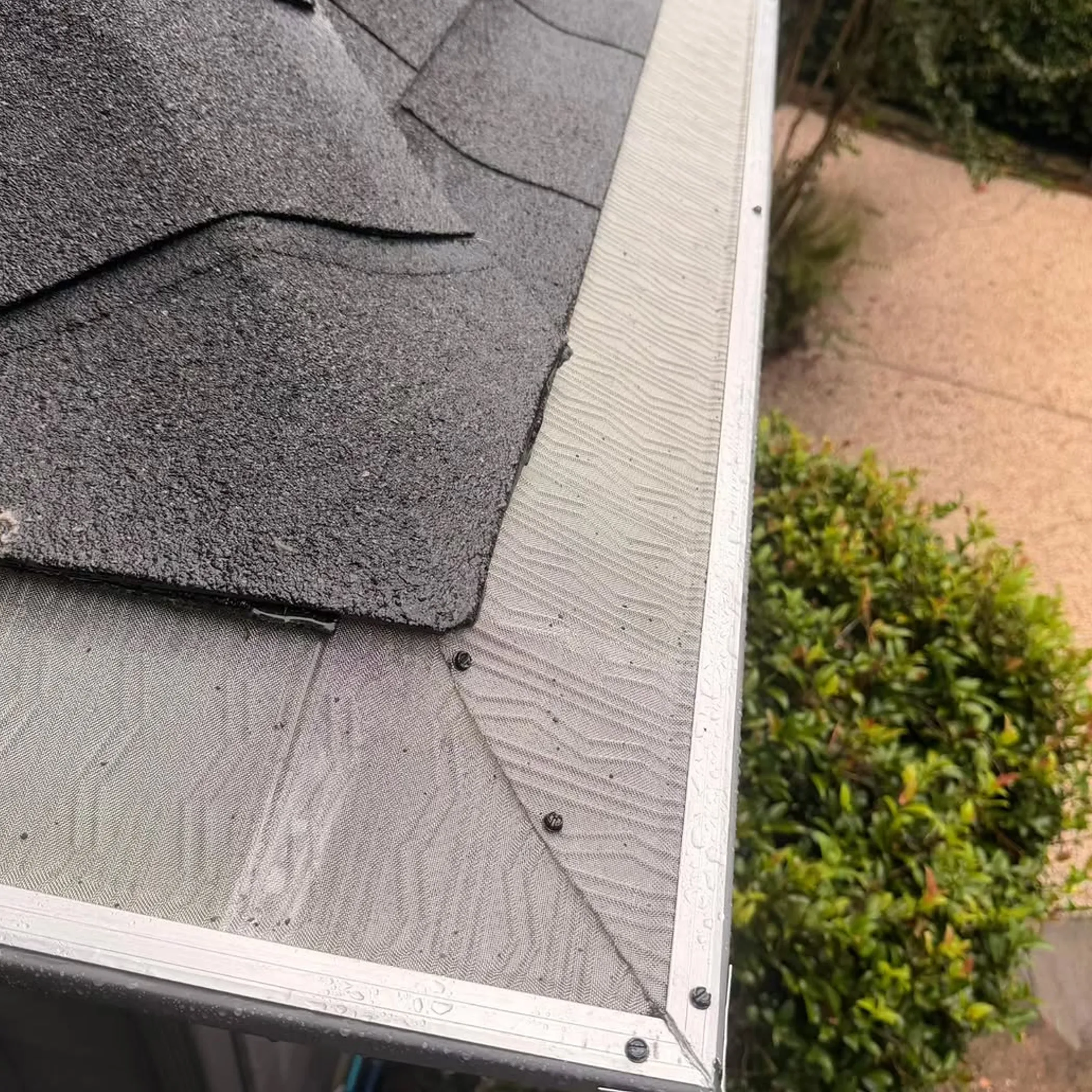
It is far less of an undertaking to put in an early repair than to have to replace the gutters and the roof-edge timber and fascia all at once. A ground level check will tell you if a professional is needed. Be on the lookout for pinholes, streaks of rust, paint that is bubbling, sagging or leaking joints and any water marks under the gutter line. If the downpipes are running over in ordinary rain they are either blocked or too small for the task.
To Repair or Not
One bad join or a spot of rust is easily repaired. But when the profile is distorted or there is rust in several places and the fascia is soft with water damage, replacement is the better course. A “small job” is apt to have a sequel if the contractor does not view the whole of the roof drainage system, from the valleys and discharge points to the fascia, and simply replaces the part in plain sight.
- Have an inspection done after a big storm or prior to the wet season.
- Check for rust, sagging, blocked outlets and leaking joins.
- Ask whether the fascia and downpipes need repair.
- Make sure of the type of steel, fastener and coating being proposed.
- Get a written quote that includes the cost of access and disposal.
Getting Some Years out of Your Gutters
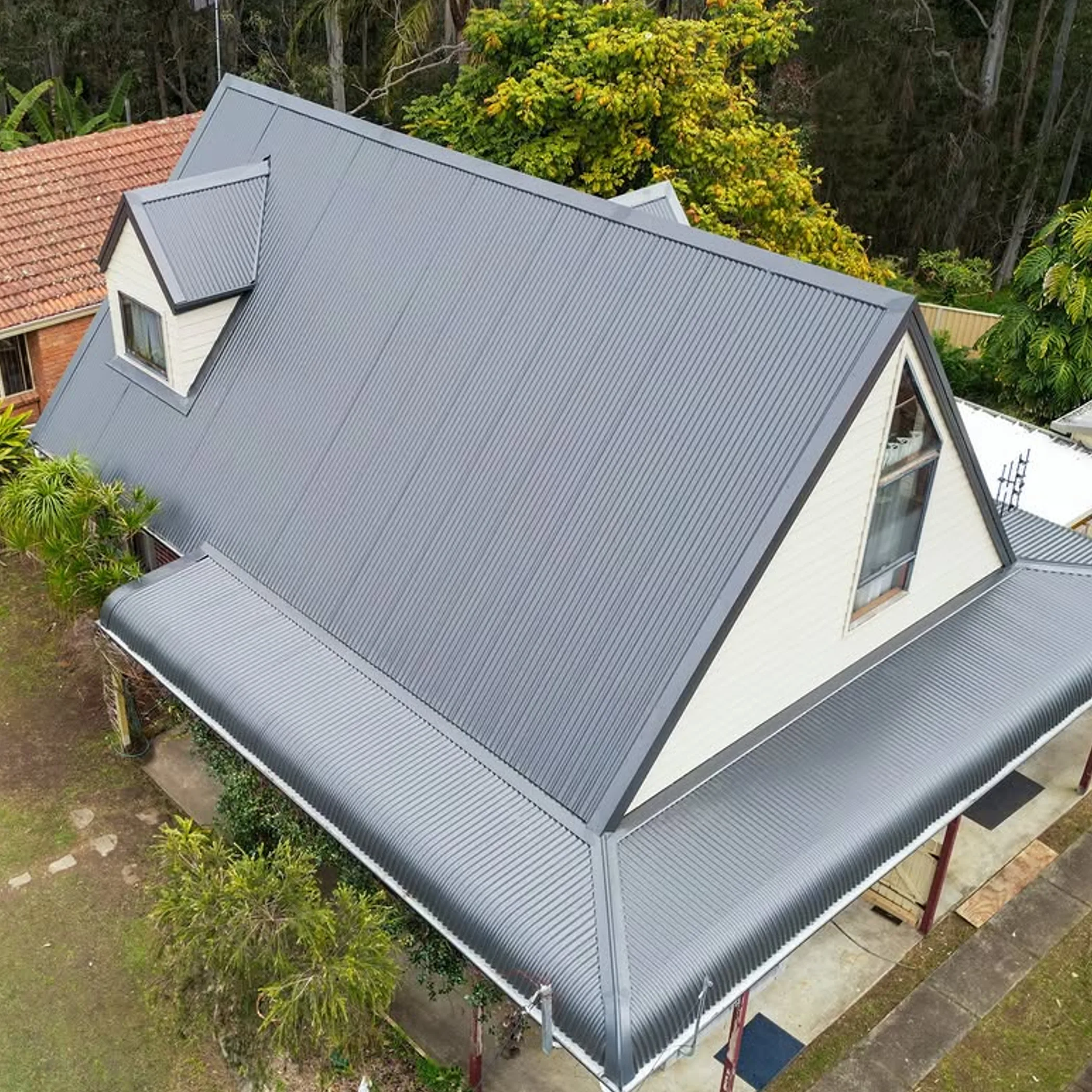
There is no more sensible way to safeguard the life of your galvanised guttering than with regular upkeep. A clean will get rid of the wet leaves and open up the outlets so any incipient corrosion is seen before it can spread. Once or twice a year is a fair rule of thumb for most, though those in the path of heavy seasonal rain or close to the coast will want to be more diligent. After a storm a walk around at ground level will reveal any overflow or displaced sections.
Leave steep roofs and two-storey buildings to someone with the qualifications; do not put an unsecured ladder to fragile gutters. Make the site visit as easy as possible for the contractor: put away the furniture, open the side gates, let him know of any solar panels or pets. A tidy approach is safer and quicker.
Simple Homeowner Checks
A little rain is a good time to see if water is making its way to the downpipes or going over the front. One should also check for any persistent dripping from the joints once the rain has let up and inspect the fascia for peeling paint, swelling or dark stains. Such observations will not take the place of an inspection of the roof but they are enough to tell you if the system needs attention.
The mistake most make is to consider gutters nothing more than a cosmetic trim. They are in fact the drainage for the roof, meant to carry water clear of the walls, windows, fascia and foundations. Should a leak develop in the wrong spot it can do costly damage to water long before there is any sign the gutter is at the end of its days.
Steel Versus Aluminium Gutters
For a lot of Australian homes steel is the answer; it is strong, easy to come by and has a solid feel to it that can stand a knock. Where it is wanting is in corrosion, be it from an unforgiving environment or a failed coating.
Then there is aluminium. Being lighter is easier on the hands and it will not rust like steel, though one has to be mindful of fasteners and other metals as it is prone to denting. What is best is a matter of the roof design, budget, location and the installer’s experience.
There is no single victor in the steel versus aluminium debate. A property where colour matching and strength are of concern will do well with steel. For a coastal home, aluminium may be preferable for its resistance to corrosion, assuming the product and workmanship are right for the site.
Planning Replacement Costs
What Australia homeowners put down for a replacement will be a function of the material, profile and length of the gutter, access, the need to remove and dispose of the old ones and any repairs to the fascia or downpipes. By way of a rough guide for budgeting purposes a simple job might be in the region of $50 to $150 per linear metre installed; for a small residential project $2,000 to $6,000 is not uncommon. More involved access or a multi-level dwelling will add to the tab.
Do not take these as a quote. Put in for a price that itemises the supply of gutters and downpipes, painting, scaffolding, removal and disposal and the like. The cheapest figure can be deceptive in what it omits, so compare accordingly.
Frequently Asked Questions
How Long Should Steel Gutters Last?
Anywhere from 15 to 30 years is typical. Galvanised systems will be on the lower or middle side of that, a Colorbond in good order can get to the top. But a poor installation, rust or blockages, particularly in a coastal setting, will see the life span curtailed.
How Much Does Gutter Replacement Cost In Australia?
Figure on $50 to $150 per linear metre installed for planning, some small homes will be looking at between $2,000 and $6,000. Access, condition of the fascia and downpipes and disposal will determine the final number. Have an inspector on site and get quotes in writing.
Which Is Better, Steel Or Aluminium Gutters?
One is not inherently better than the other. Steel is robust, aluminium does not rust and is not as heavy. Let the quality of the installation, your budget and the roof design be your guide.
How Long Does Galvanised Guttering Last?
In normal residential circumstances expect 15 to 25 years of service from galvanised steel. If the coating is well protected and it is cleaned regularly it could last longer; leave standing water and scratches to fester in a humid or salty climate and it will be much less.
Can Rusty Steel Gutters Be Repaired?
If the steel is still sound then some localised rust can be put right. But when there is sagging, pinholes or repeated leaks and the fascia is compromised, replacement is the more sensible course. Have a contractor ascertain the cause of the problem before any patching or coating is done.
Make The Replacement Decision Carefully
While the average life of a steel gutter in Australia is a handy reference, the calendar is less important than the actual state of things. Take stock of the downpipes, joins, fasteners, coating and fascia and decide if the cost of repair is worth the risk of the same trouble coming around again.
Thomas Rourke has a straightforward rule: do not put off the quiet indications of failure, keep the rust at bay and let the water move. That is how one gets the kind of service life out of a gutter that comes from having the right materials and a good hand at the installation and maintenance, all before the first stain shows on the ceiling.