Clifftop Walk Safety Tips For Australia
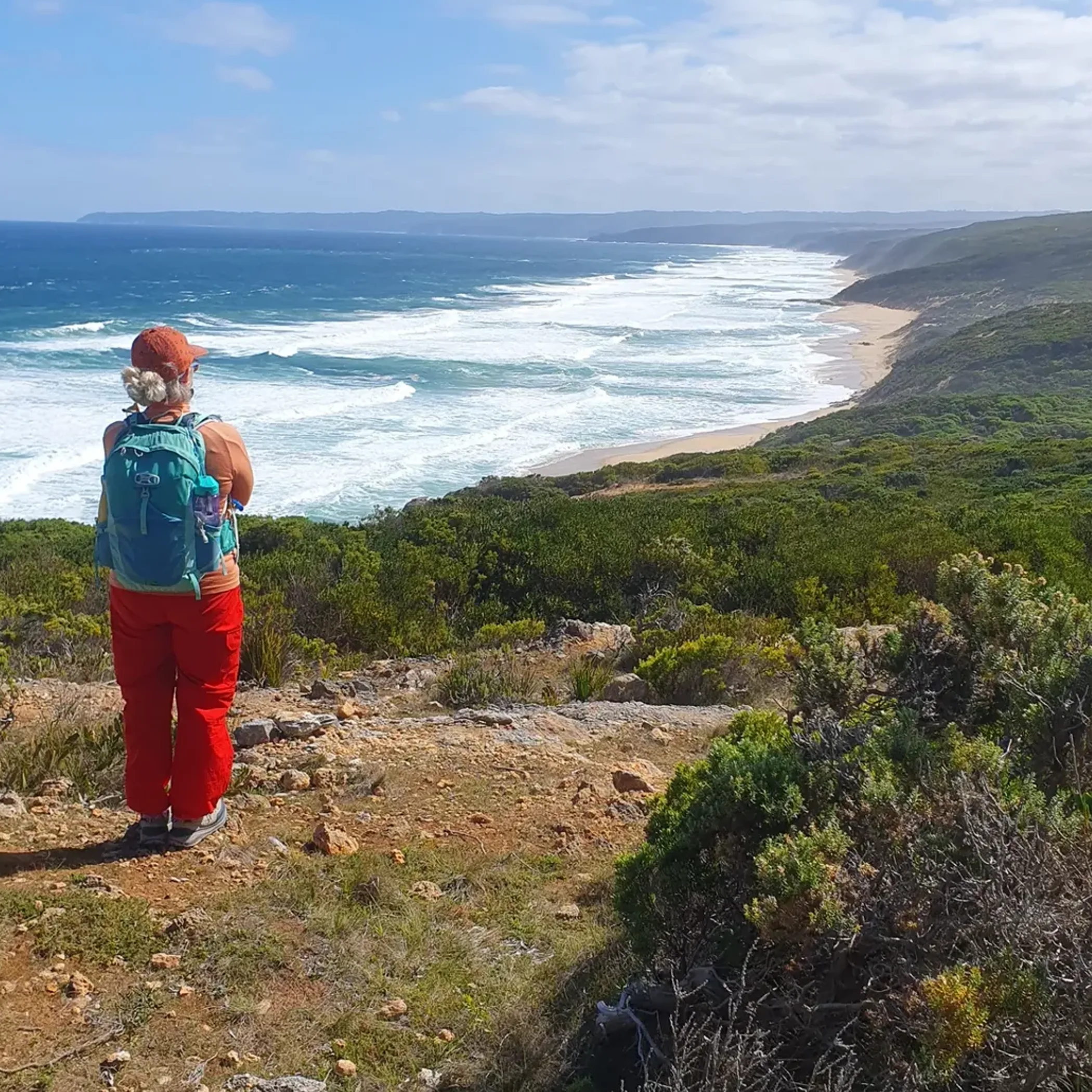
There is a basic rule for any clifftop walk: the view is best from the path put there for you, not the edge. On the coastal tracks of Australia one can be faced with gale force winds, surfaces that give way underfoot, erosion, a turn in the weather or an incoming tide; it does not take much to make a nice walk a serious matter.
My name is Thomas Rourke. I have done my share of walking on Victoria’s coast and put in some time in the rough Atlantic of Ireland over the years. What I can tell you is that the most prudent coastal walk is the one you have put together in advance, well before you get to the photography. A boardwalk on the cliffs may seem like harmless, flat country but sea spray, an odd loose board or an inattentive fellow walker are enough to cause trouble. Here is how to go about preparing and what to do when things change.
Why you should be careful at the edge
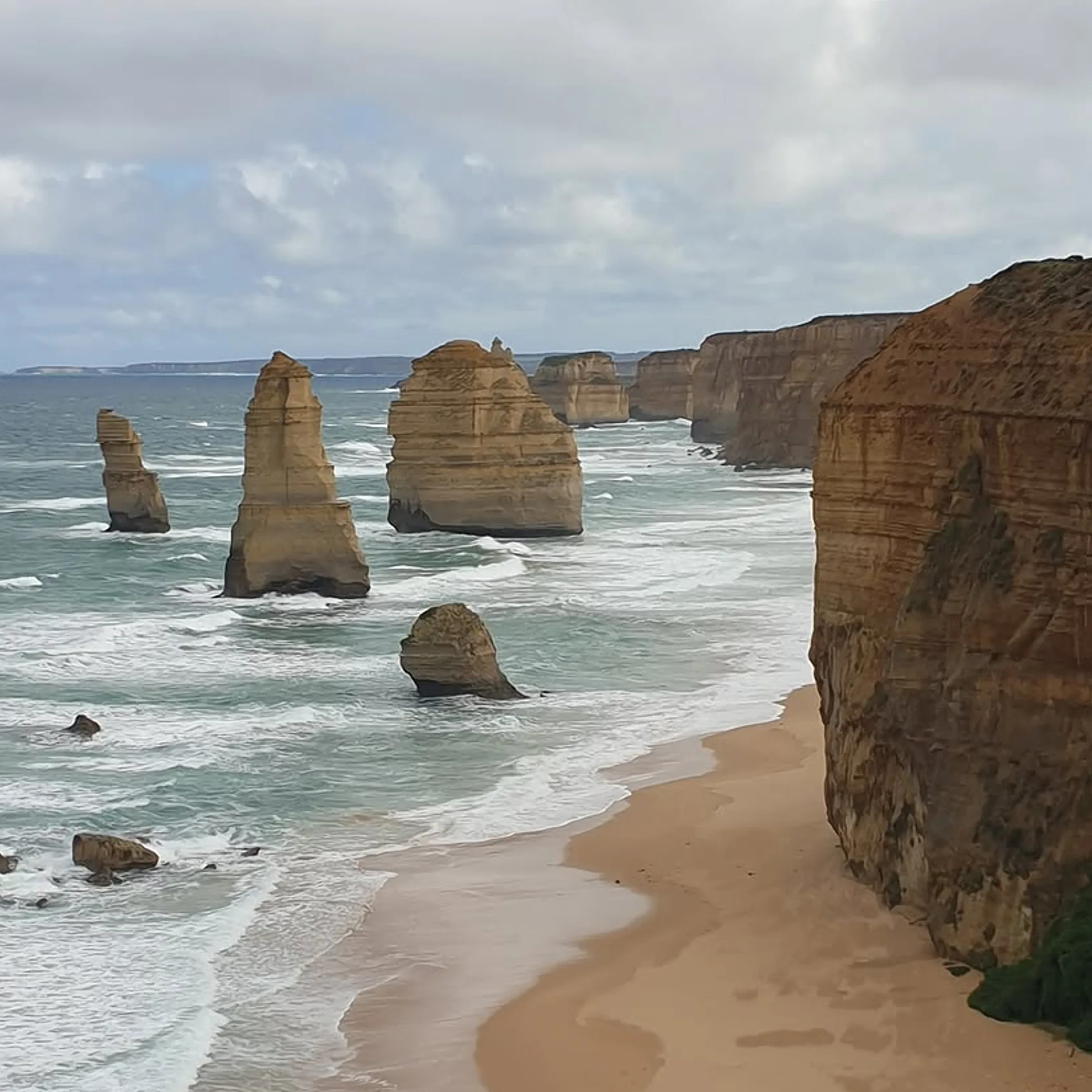
The combination of exposure, the ground under you and variable conditions is what defines a clifftop walk. You might feel fine at the car park but a kilometre down the line the path will be unstable or windy. The ocean is indifferent to your new hiking boots.
Then there are the risks of the boardwalk which are too often overlooked. Rain and spray make the timber slick, metal ramps are smooth, and multi-use paths can get congested in narrow spots. Proper safety is about seeing the route as changing terrain, not just a coastal cliff boardwalk.
Main hazards to be aware of
Coastal erosion can leave a cliff edge looking solid when in fact it is ready to crumble. After a spell of wet weather or a storm, expect rockfalls and landslides by the track or below the cliffs. Heed the warning signs and remain behind the barriers even if you are tempted by what is on the other side.
Open headlands present their own problems. An otherwise sunny morning will get cold and blustery and the wind can unsettle anyone, particularly children or those without confidence, and send things flying across the track. Be sensible about how close you get to the edge with your dog or when you have binoculars out.
Do your homework
Most of the good safety advice is something you will have done at home. It takes a few minutes to look over the access, tides and weather and save yourself the aggravation of it later.
It is also the way to pick a walk your group can handle. Do not assume a family boardwalk is right for someone with a mobility aid, nor would a lengthy exposed clifftop be wise for a first timer.
What to check
Get your information on trail closures and park alerts from the local authority or official park site. In Victoria that is Parks Victoria, and NSW National Parks has similar details for many of their walking areas.
Do not be guided by a social media post or a picture, check the whole route. Ascertain the distance and surface, where the steep parts are, parking, toilets and how you will return. People are surprised how often they miss the arithmetic in a five-kilometre return walk: that is five out and five back.
- Have a look at the map for difficulty and any current closures.
- If the route goes near an inlet, rock platform or beach, the tide charts are worth a review.
- Make sure you have told someone your plans and when to expect you back.
- And put an offline map on your phone, reception is not to be relied on in a coastal valley or near the bush.
- Factor in time for the wind, to rest and for those in the party who are not as quick on their feet.
Choosing the right walk
A novice is better off on a short, well marked path with an easy way back. Families ought to see if there are gaps in the railings or steep steps where a child could put some distance between you and him. For anyone with balance issues or not up to heights, an exposed walk is not the answer unless there are adequate barriers; a reserve boardwalk is preferable to a headland track. You want to recall the day fondly rather than think “We ought to have made a U turn”.
Stay Safe Near Cliff Edges
In the end, safety on the cliffs is a matter of restraint and keeping your distance. Confine yourself to the marked paths and trails, give unstable ground a wide berth and consider any part without a fence a real hazard.
In most cases an accident is the sum of a few minor risks: you have a damp surface, a gust of wind, a phone out in front of you and a position just past the warning sign. Take one of those away and it is a far more controllable scenario.
Walk With A Safety Margin
Do not be taken in by a broad expanse of grass as being stable; coastal erosion has a way of undermining the land and rain can soften soil that was firm on your last outing. Heed the cliff edges, overhangs and any cracks in the ground and stay well back from them.
Safety barriers are there for a reason, whether to mark an unsafe path or viewing spot, so do not try to climb or go around them. A fence is no place to put your climbing abilities to the test. If the official route is off limits, there will be a signed alternative or you can make for another walk.
A word of caution when you put down your camera for a photo: get to some solid ground clear of the walking line and look behind you before you step back. It is all too easy to let a dramatic horizon and a phone overcome good sense.
Control Your Pace And Footing
High-grip shoes with a good fit are called for. Running shoes will see you through a dry, sealed path but rougher tracks, sand, mud and wet rocks need something with more traction and support.
Take it easy on boardwalk joins, descents, steps and where leaves or sea spray cover the surface. On steep or uneven terrain leave your hands free. Walking poles are fine so long as they are not in the way of other visitors or putting a fragile ecosystem to harm.
Boardwalks
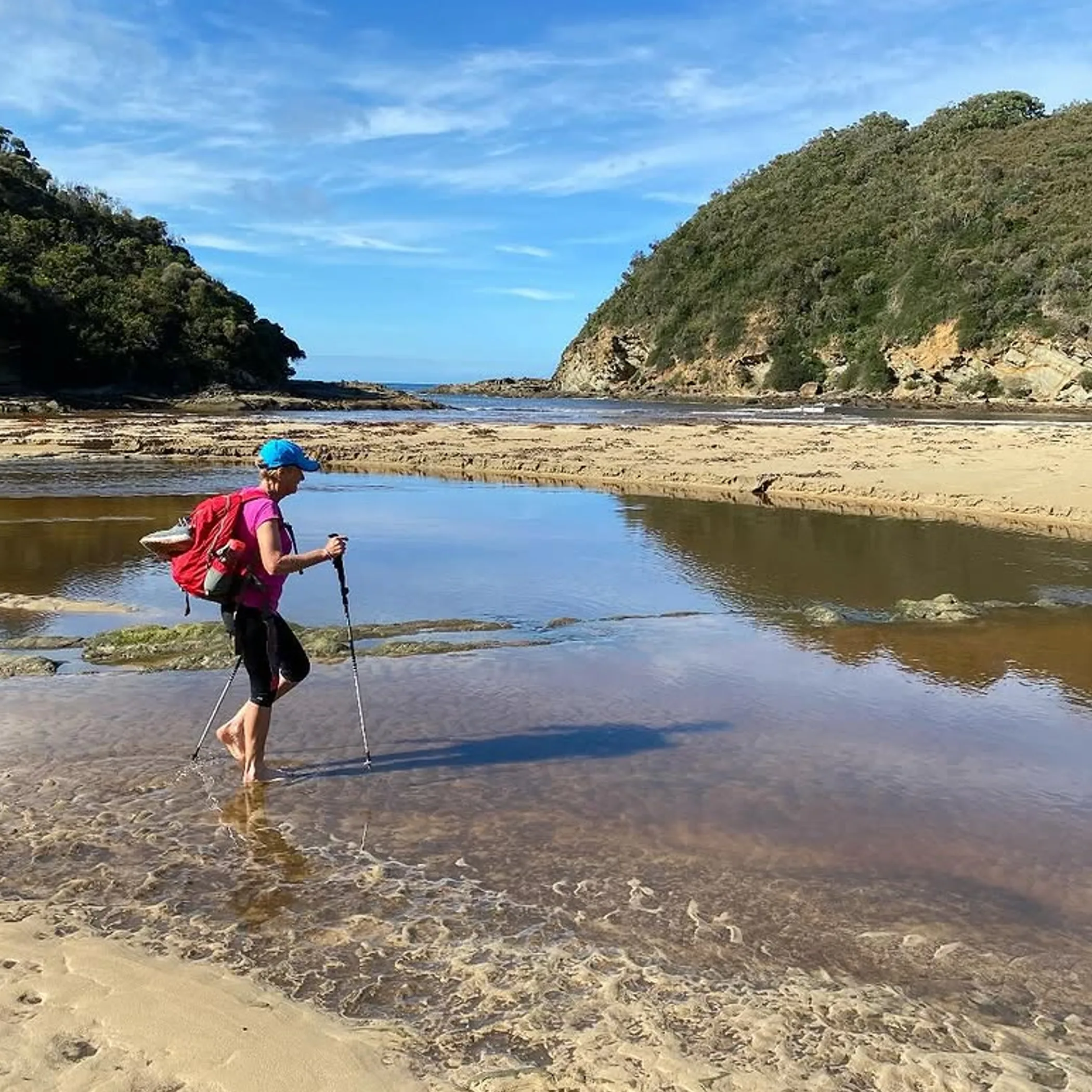
There is little to it but the safety tips are worth heeding since an unassuming surface can conceal hazards. Metal grates, composite decking and timber are not the same when they are wet and a ramp can be deceptively slippery.
It is a shared space for runners, cyclists, prams and mobility devices as well as walkers, so be aware. Where signs say to keep left, do so and pass with care, making sure not to block narrow parts.
Hazard spotting
Be on the lookout for algae, loose or raised surfaces, missing pieces and uneven joins. A bit of sea spray will make things slick enough on the finest of days and in the shade moisture lingers long after the rest of the track is dry.
Have children in close proximity at railings, bends and where the boardwalk opens up. Sitting on rails or leaning over is not advised. Should a boardwalk appear damaged or you see a closure sign, report it to the park or council once you have a decent signal and move on.
| Route Situation | What To Expect | Safer Response |
|---|---|---|
| Short sealed boardwalk | Easier footing for the most part, yet wetness can be slippery | Make for the ramps and joins at a steady pace |
| Exposed clifftop | Unprotected edges and wind | If you are hard put to hold your balance, turn back and keep from the edge |
| Beach access | You may have to contend with loose sand, steps and the tide | Factor in extra time for the return and check the times |
| Track in the wake of heavy rain | There could be rockfalls, mud or branches | Steer clear of anything damaged and consult park alerts |
| Multi-use path | Conflicts in passing are likely | Give ample warning and stick to the side the signs indicate |
These are examples of what one might find on a route, not guarantees. After a storm a track is not the same, so local signage and the like have precedence.
Weather And Tides
The risk can escalate quicker than a walker would think. One does not just want to know if the forecast calls for rain on a coastal trail; visibility, swell, temperature and wind are also in the equation.
To plan only for the outgoing leg is a mistake. An afternoon wind can put an end to a calm headland or the rising tide can put a stop to a route that was simple at low water. See the whole of your window, not merely the time of departure.
Seasonal considerations
With summer comes the heat, glare and the prospect of bushfire, and tracks are busier. Some parks will shut down sections in the event of danger or an incident so have a look at the alerts. An early start, water and protection from the sun are prudent even for a short trip.
The cold winds, damp and the loss of daylight are to be expected in winter and the shoulder seasons. Then there is the wet season in northern Australia where one can encounter flooding, storm activity and treacherous tracks. Heed what locals have to say on cyclone warnings, wildlife and access in the Top End and Western Australia during those months. The dry season is not without its heat and exposure even if it makes for a simpler walk.
There will be a contrast between the headlands and bays that are more sheltered on the Great Ocean Road, the Mornington Peninsula or Sapphire Coast. You might find Point Addis agreeable close to the car park but very windy out on the open coast. And in the Dharawal State Conservation Area the bush tracks retain their water and shade in a way the urban areas do not.
Tide Times
Check the latest tide charts for any route with a beach, rock platform, sea cave or a low crossing along the coast; put past experience aside. Swell can render a passage hazardous at a water level that would otherwise seem fine and tides are not the same everywhere.
Make sure you have ample time before the tide gets to your route. Should the waves be coming over the track, make an about face. There is no sense in trying to put distance between yourself and the water, or standing at the waterline for a photo, or going out on a rock platform in a big swell.
Adapt to Changing Conditions
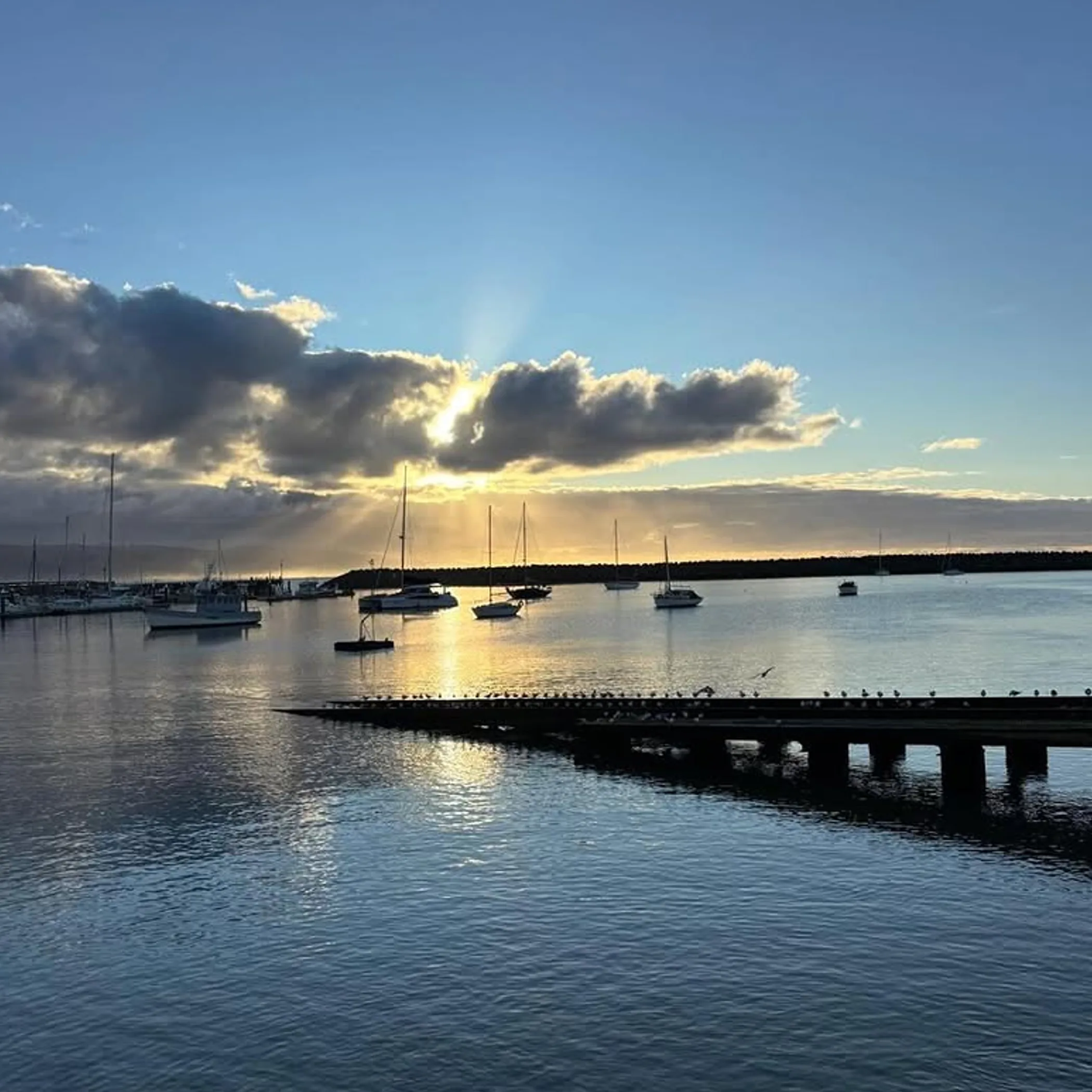
A good hiker will not hesitate to alter plans. To turn around because of bad weather, a fatigued companion or a compromised track is a sensible thing to do, not a defeat. Some are lulled into thinking risk is low simply because the distance is short, yet 500 metres of ruined track can be more perilous than a few kilometres in good order. It does not negate the elements or unstable ground.
When to Turn Back
Fresh cracks, unmarked detours, washed-out ground, downed rocks or railings in disrepair are all reason to go back. As is a member of the party who is dehydrated, cold, dizzy or cannot put one foot in front of the other with any safety. Put some distance between the group and the cliff edge or water and find firm ground to make a call or look at the map. A closed route is closed; do not contrive a way around it. When you have reception, let the authority know, giving them the name of the track or where you came in.
In an Emergency
If there is a serious injury or imminent danger and the mobile will work, dial 000. Be prepared to state your position by coordinates, map reference, a landmark or the name of the track and nearest car park. See that the injured are kept with the group and warm and clear of hazards unless you must leave to get help.
It is prudent to put emergency numbers and the right map on your phone beforehand and to make someone you trust aware of your transport, when you should be back and what route you are taking. For the odd solo walker or a long, isolated route in the bush, a satellite messenger or personal locator beacon is not a bad idea.
Be Prepared
Your pack ought to be suited to the distance, the season and the route. One may not need as much for a foreshore stroll in the suburbs as for a remote stretch of the Great Ocean Road, but some form of communication and protection is advisable for all. Do not be tempted to skimp on the basics for a pleasant forecast, coastal weather has a way of changing halfway through lunch.
- Water, and more for when it is hot and exposed.
- A hat, sunglasses and sunscreen for the sun.
- Footwear with a good grip, something to block the wind and a light rain jacket.
- Take a small power bank, an offline map and make sure the phone is fully charged.
- Have on hand your personal medication, first-aid kit and the numbers of those to contact in an emergency.
- For more remote or lengthy routes you will want a whistle, torch and provisions.
- And a bag for rubbish; there is no need for food packaging to be left in an ecosystem that can not take it.
Practical Route Planning
When time is short and you have but a day, opt for a signed route where you can put in a straightforward return, with up to date access details and parking or public transport you can rely on. The clifftop walks in Australia are popular and one should be there early, as the car parks have a way of filling up before the walking does.
In the city, public transport is fine for a foreshore route, but out in the regions a car is usually de rigueur, or at least a pre-arranged lift or shuttle. See if you are starting and finishing in the same place. A coastal walk that is one-way with no means of transport at the other end is hardly a well thought out plan, just an expensive way to talk to a taxi driver.
Expect to find wide variation in the cost of accommodation, fuel and food from one location to the next. Put some aside in your budget for meals, parking and a contingency should the weather have other ideas. Do not count on a coastal town of any size to have dependable reception or supplies late at night.
Frequently Asked Questions
I put together these answers for the kind of errors I come across most on a coastal path. For the most part the prudent course is the undramatic one: consult official sources, turn back when conditions warrant and remain on the path.
Safety tips for the walker
Designated trails are where you should be. Wear the right footwear, carry water, know the tides and the weather and let someone know where you are going. Heed warning signs and park alerts before you set off and give cliff edges a wide berth. Should you feel it is not safe, make for a stable spot and retrace your steps by the safest way available.
Is a boardwalk to be preferred over a cliff track?
Not necessarily. While they mitigate some risk, a fall is still possible from crowding, missing barriers, a steep ramp or wet boards from the sea spray. Proceed with care and observe any closures.
Windy weather and the cliff
That is a matter of the route and how exposed you are to the wind. If gusts are playing havoc with your balance or what you can see, stay off the edge. Make sure dogs and children are close by and if you find yourself having to lean into the wind to get along, turn around.
Tide times for every coastal walk?
Not every one, but do check them if you are to be on a rock platform, beach, low crossing or in a narrow part of the route near the water or a sea cave. You may be well above the shore on a clifftop path and not have to worry about the tide, though storm and swell can be a factor for safety below.
A trail is closed
There is no point in making up a detour or going over the barrier. Take the alternative provided or pick a different walk. From the entrance you might not see why there has been a closure, be it for repair work, fire, flooding, unstable ground or to protect wildlife.
Plan sensibly
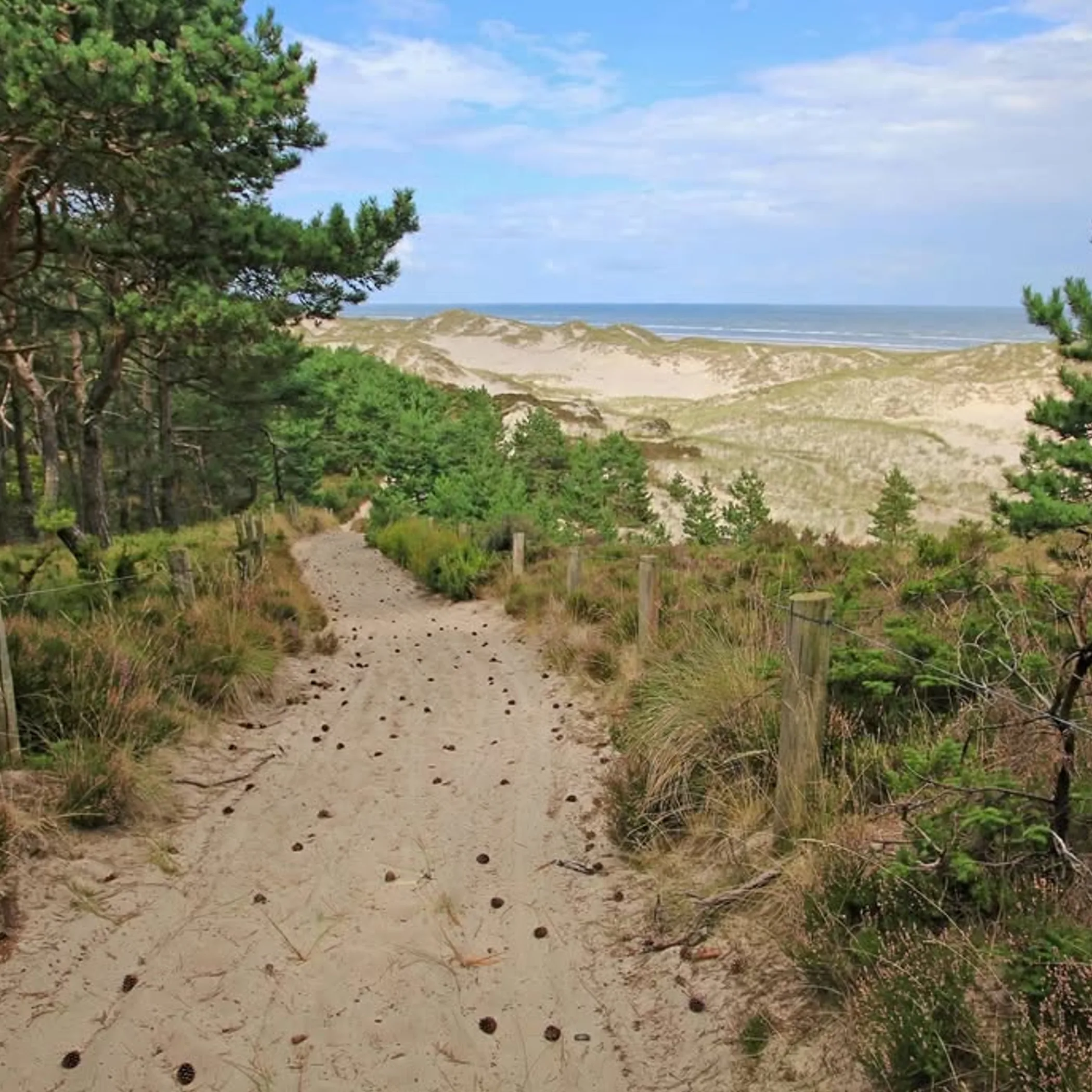
You do not have to forgo all adventure to walk the coast in safety, merely to have the obvious risks under control so as to be able to focus on the weather, your companions and the coastline itself. Plan for the tides, have sufficient water and a way to communicate and be respectful of barriers. It is the same whether you are in Dharawal State Conservation Area, on the Sapphire Coast, Point Addis, the Mornington Peninsula or in a NSW National Park. When you make the sensible decision to call it a day, the coast will be there for another time.